UNICORN778 As an industry and a cooking ingredient, seaweed is gaining ground in Brazil Peluang Terburuk Saat Bermain Slot Online
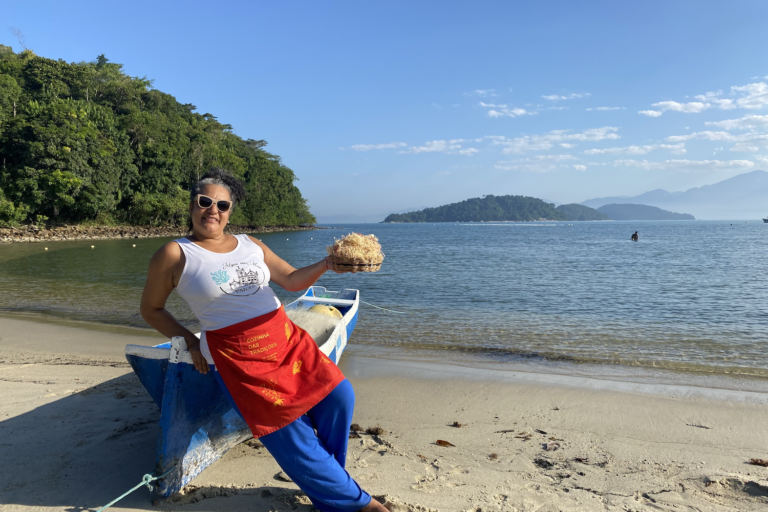

Aparecida Rosa Ayres often says she has known seaweed since she was in her mother’s womb, thanks to the stories she used to tell her. As a child, her mother used seaweed as doll hair while playing on the beach. Today, the 47-year-old Caiçara woman has given it a new meaning: It is the star ingredient at Rancho Ayres, her restaurant on Paraty’s São Gonçalo Beach. While the seaweed of her mother’s childhood was native to Ilha Grande Bay, the variety Aparecida uses for cooking is Kappaphycus alvarezii, a macroalgae of Philippine origin that she first found in 2013. Eight years later, she took a course offered by the Federal University of Rio de Janeiro (UFRJ) and the Paraty municipal government on the potential of seaweed farming for the regional bioeconomy. That course inspired Algas na Mesa Paraty, an initiative that combines what Aparecida calls “seaweed gastronomy” with historical revival at the São Gonçalo and São Gonçalinho beaches. “We are the daughters of the waters; we were born in the maritório [marine territory], so the use of seaweed comes as a form of resistance and permanence to preserve the territory,” Aparecida says. She descends from one of the traditional Caiçara families (traditional population from south/southeast Brazil) displaced from their homes by the beach during the construction of the Rio-Santos federal road (BR-101) between 1969 and 1975. However, the Caiçara continued to use the beaches for work and leisure. There, families built ranchos — facilities that support mariculture, community-based tourism and…This article was originally published on Mongabay